
Nestled in the beautiful Otter Valley between Ottery St Mary and Sidmouth, Tipton St John is a small, friendly East Devon village that offers a quiet rural lifestyle while remaining close to the coast and larger nearby towns. [en.wikipedia.org], [tiptonstjohn.co.uk]
Although often regarded as a small village, the built-up area is home to around 600 residents, making it a close-knit community where many people know their neighbours and village events remain an important part of local life. [citypopulation.de]
Village Facilities
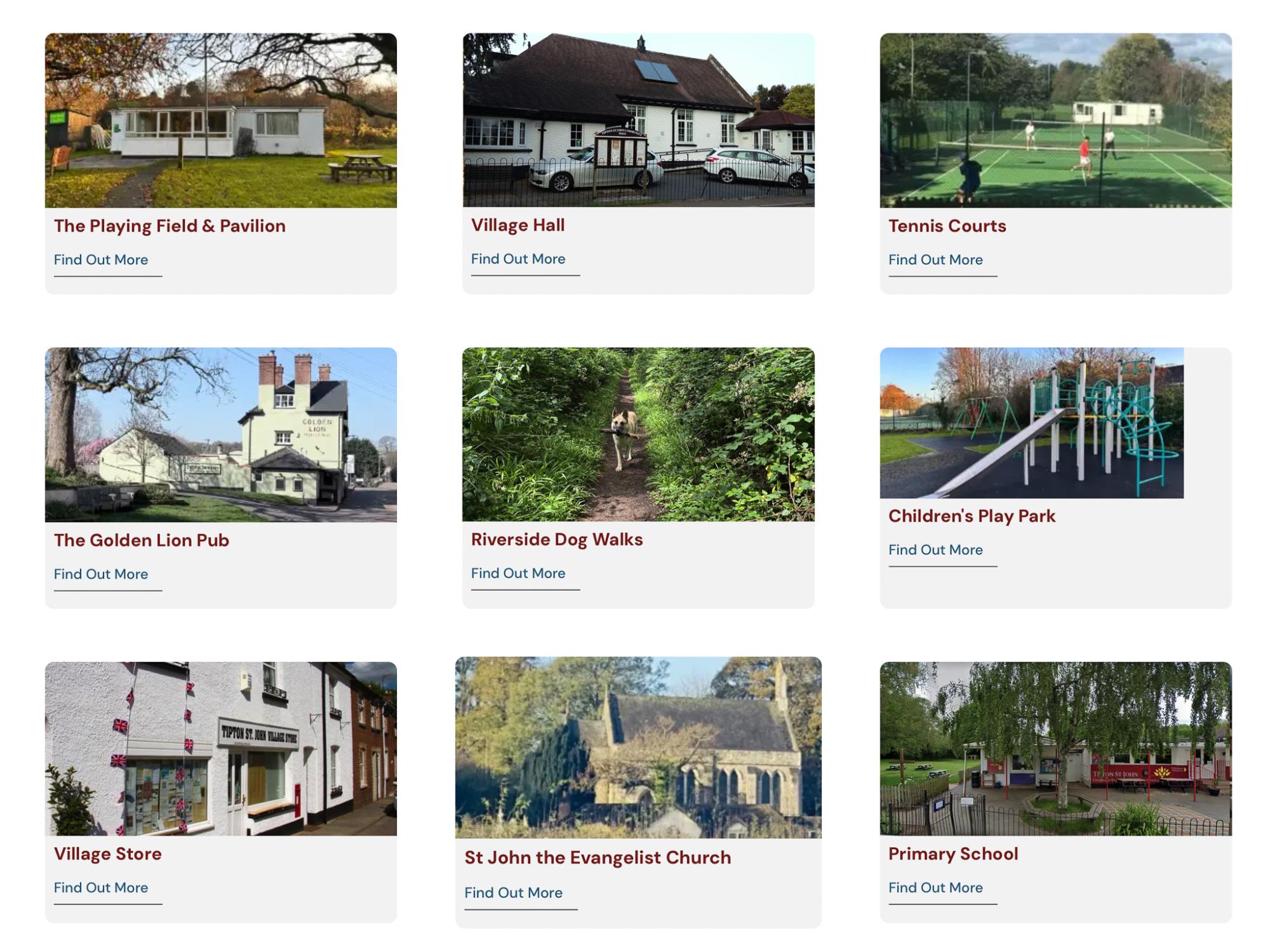
For a village of its size, Tipton St John has a surprisingly good range of amenities:
- The Golden Lion, a traditional village pub and restaurant, serves food, local drinks and acts as an important social hub for residents. [thegoldenl...pton.co.uk]
- A village store provides everyday essentials. [tiptonstjohn.co.uk]
- Tipton St John Primary School serves local families and remains at the heart of the community. [en.wikipedia.org], [tiptonstjohn.co.uk]
- St John the Evangelist Church continues to play a role in village life. [tiptonstjohn.co.uk]
- A village hall, playing field, children's play park and tennis courts provide opportunities for recreation and community events. [tiptonstjohn.co.uk]
- Active local organisations, including scouting and community groups, help maintain a strong village spirit. [en.wikipedia.org], [tiptonstjohn.co.uk]
What Is It Like to Live There?
Tipton St John is best described as a village that combines rural tranquillity with easy access to nearby services. Residents enjoy attractive countryside, riverside walks along the River Otter, and a slower pace of life than neighbouring coastal towns. [en.wikipedia.org], [tiptonstjohn.co.uk]
The village has retained much of its rural character, with a mixture of older cottages and modern housing. It is particularly popular with families, retirees and those seeking a village community while remaining within a short drive of employment, shopping and leisure facilities in Ottery St Mary, Sidmouth and Exeter. [tiptonstjohn.co.uk], [townandvil...eguide.com]
In Summary
Today, Tipton St John is a small but thriving Devon village with around 600 residents, a popular village pub, shop, primary school, church and a range of community facilities. Surrounded by the scenic landscapes of the Otter Valley, it offers a welcoming and peaceful environment that continues to attract people looking for traditional village life in East Devon. [tiptonstjohn.co.uk], [citypopulation.de]
When we look in the OVAPedia here on the OVA website, we see an amazing history of this delightful town - summarised here for clarity:
A Brief History of Tipton St John
The riverside village shaped by farming, transport and the River Otter
Nestled beside the River Otter between Ottery St Mary and Newton Poppleford, Tipton St John is one of the smaller communities of the Otter Valley. Although often overshadowed by its larger neighbours, the village has a rich history that reflects many of the themes that have shaped East Devon over the centuries: agriculture, river crossings, manor estates, transport links and close-knit rural life. The village's story is inseparable from that of the wider Otter Valley, whose fertile floodplains and strategic routes have supported settlement since medieval times.
Origins in the Otter Valley
The settlement's origins are thought to lie in the medieval period, when small farming communities became established along the valley floor. The fertile land beside the River Otter offered good agricultural opportunities, while the river itself provided water, fish and a natural transport corridor through East Devon. Like many villages in the area, Tipton developed as a farming community closely tied to the surrounding manor estates and agricultural economy.
The addition of "St John" to the village name distinguishes it from other places called Tipton and reflects historic ecclesiastical and manorial connections that were common throughout medieval Devon.
A Rural Farming Community
For most of its history, Tipton St John was a working agricultural village. The surrounding fields supported mixed farming, livestock and orchards, much as they did throughout the Otter Valley. Generations of villagers earned their livelihoods from the land, either as tenant farmers, agricultural labourers, craftsmen or tradespeople serving the farming community.
The landscape around the village would have been familiar to residents for centuries: small fields bounded by hedgerows, water meadows along the river and scattered farmsteads connected by narrow lanes.
The Importance of the River
The River Otter has always played a central role in the village's history. While providing fertile soils and water resources, it could also bring flooding. Communities such as Tipton learned to live with the river, adapting farming practices and settlement patterns to accommodate its seasonal fluctuations.
The river also helped connect Tipton with nearby settlements, particularly Ottery St Mary and Newton Poppleford, strengthening economic and social links throughout the valley.
The Railway Comes to the Village
Perhaps the most significant change in Tipton St John's modern history came with the arrival of the railway.
The village was served by the former Sidmouth Railway, which linked Exeter with Sidmouth and passed through the Otter Valley. The station at Tipton St John became an important local asset, enabling passengers, agricultural produce and goods to move more easily throughout the region.
For rural communities, the railway represented a connection to wider markets and opportunities. Farmers could transport produce more efficiently, residents could travel more easily, and visitors gained access to the beautiful landscapes of the Otter Valley.
Although the railway closed during the twentieth century, its legacy remains a significant chapter in the village's history, and traces of the former route can still be identified within the landscape.
Part of a Wider Network of Estates
Like many villages in East Devon, Tipton was influenced by larger landowning estates that helped shape the local economy and landscape. Across the Otter Valley, families associated with estates such as Bicton and other local manors influenced patterns of farming, housing and land management for centuries. The village's development reflected these wider estate relationships that characterised rural Devon life.
Community Life
Despite its modest size, Tipton St John developed a strong sense of community. The village church, school, public house and local organisations became focal points of social life. As in many Devon villages, community events, agricultural traditions and local gatherings helped create a distinct identity that continues today.
Many families remained in the area for generations, creating strong local connections and preserving oral histories that formed an important part of village culture.
The Village Today
While modern Tipton St John has evolved considerably from its agricultural origins, much of its character remains rooted in its historic setting. The surrounding countryside, river corridor and rural landscape still define the village's appearance and sense of place.
Today it serves as both a residential community and a gateway to the wider Otter Valley, retaining the close connection to nature and landscape that has shaped its history for centuries. Its story may be quieter than that of neighbouring towns, but it reflects the experience of countless rural communities whose contribution helped define the character of East Devon.
A Typical Otter Valley Story
The history of Tipton St John is not one of castles, battles or grand architecture. Instead, it is the story of ordinary people living alongside the River Otter, farming the surrounding land, adapting to changing transport links and maintaining a strong community spirit.
In many ways, that makes it one of the most representative villages in the valley. Its past illuminates the broader history of East Devon itself: a landscape shaped by rivers, agriculture, transport and generations of local people whose lives were closely connected to the land around them.